Showing posts with label in the kitchen. Show all posts

Mar 12, 2018

Feb 26, 2018

The Whole 30 Update

The hardest part of the Whole 30 is breakfast. Now that I have added another 30 days without eggs, harder than ever.

The first thing I do is think of all the folks who didn’t get breakfast this morning. OK, this is not hard.

Then, I think of what I might order for breakfast when I go out. Air.

Then, I concoct some unusual thing. Today, Kitchen sink veggie hash with carrots, sweet potato, celery and asparagus, sautéed in ghee. A little salt and pepper. Mmmmm.

Yesterday: Whole 30 compliant chicken sausage and cooked apples.

New idea: when I come home from the market with bags of veggies, prep them for use right away. Then, no excuses. It’s still fridge full of ingredients, but, particularly at breakfast time, I need all the help I can get.

Today’s Added Value:

Oven Roasted Sugar Free Tomato Ketchup

4 cups fresh chopped Oven Roasted Roma Tomatoes*
1/2 cup water
3/4 cup distilled white vinegar
1 teaspoon finely minced white onion
1 clove garlic, finely minced (or juiced)
1 teaspoon salt
1/8 teaspoon celery salt
1/8 teaspoon hot mustard powder
1/4 teaspoon finely ground black pepper
1 whole clove

Chop cooled tomatoes anyplace in a three quart saucepan.
Add vinegar, onion powder, garlic powder, salt,
celery salt, mustard powder, black pepper, cayenne pepper,
and whole clove; whisk to combine.

Cook on low, uncovered, until mixture is reduced by half
and very thick, about an hour.

Smooth the texture of the ketchup using an immersion
Blender for about 20 seconds. Ladle the ketchup into a fine
strainer and press the mixture with the back of a ladle to strain
out any skins and seeds. Transfer the strained ketchup to a
bowl. Cool completely before tasting to adjust salt, black
pepper, or cayenne pepper. Refrigerate.

Oven Roasted Tomatoes

30 firm but ripe Roma tomatoes
Olive oil
About a teaspoon each of thyme,
rosemary & oregano
Kosher Salt

Slice tomatoes in half lengthwise. Place cut side up on 2
Parchment-covered sheet pans. Drizzle liberally with olive
oil. Sprinkle with salt and herbs. Place in 200! oven for 5-8
hours, depending upon the degree of dryness desired. The
idea is to simply dry out the juices. If you go too far, the
tomatoes get leathery. The perfect dried tomato will have a
consistency much like sun-dried tomatoes.


Feb 23, 2018

Veggie Stock

Clear Vegetable Stock

Makes 4 quarts

2 carrots, cut in large chunks
3 celery stalks, cut in large chunks
2 large white onions, quartered, skins on
1 head of garlic, halved
1 each rutabaga, parsnip, turnip, halved
2 bay leaves
1 teaspoon salt
4 quarts water

Brush and clean the vegetables and place in a large
stockpot over medium heat. Add about 4 quarts water. Toss
in the bay leaves and salt and allow it to slowly come to a
simmer. Lower the heat to medium-low and gently simmer
for 3 hours, partially covered.

Carefully strain the stock through a fine sieve into
another pot to remove the vegetable solids. Use the stock
immediately or if you plan to store it, place the pot in a
sink full of ice water and stir to cool down the stock. Cover
and refrigerate for up to one week or freeze in containers.

Dark Vegetable Stock

Makes four quarts

Use this stock when a deep color and strong, smoky
flavors will enhance the recipe, like a vegetarian version
of French Onion Soup. It can be kept for up to 5 days in the
refrigerator, or frozen for up to 2 months.

2 yellow onions, unpeeled, quartered
6 shallots
8 cloves garlic, unpeeled
1 carrot, washed,
brushed and cut in half
six stalks celery, cut in half
2 each parsnips, turnips, rutabagas,
washed, brushed and cut in half
5-6 quarts water
salt and pepper
lemongrass stalk

Preheat an oven to 400!

Spread the vegetables on a baking sheet. Toss lightly with
olive oil, salt and pepper. Place in the oven and roast,
turning the vegetables at least once during cooking, until
the vegetables are well darkened on some surfaces, about
55 minutes, using parchment preserves the pan.

Transfer the vegetables to a large stock pot and fill with
water. Bring barely to a boil, then reduce the heat to low
and simmer uncovered without allowing the water to

bubble, for about 3 hours. Don’t ever boil any stock—the
protein particles will start to separate and fall apart, making
the stock cloudy. The stock should be deeply colored and
very aromatic. Add more water if necessary. Strain through
a fine-mesh sieve into containers. Let cool. Cap tightly,
and refrigerate or freeze.


Feb 22, 2018

DIY - Almond Milk and more

Roasted Chicken
Chicken Stock
Aioli
Almond milk
Ketchup with no sugar

What do these items have in common?
I make them. Especially now, during the Whole 30.

Day 22. According to The Whole 30 habit research, after 66 days this will become a habit. 66 days.

I am committed to the Whole 30 as an elimination diet because I would like to know, once and for all, what, if any, and of course there are many, foods or beverages I ingest that cause or aggravate inflammation.

I have paid lip service to being gluten free for several years, falling off that wagon regularly with some flimsy excuse or other. “I had to make bread for so and so.” “Whosiwhatzit served me a flour tortilla and of course, I had to eat it.” You know. I even heard myself say, “I will just be good. I don’t want any food to become the enemy.”
Right.

I won’t go into the Whole 30 (visit their website, buy the books) but when I checked it out, I knew it was for me. A little heavy on meat for the 30 days, and I don’t care what they say, drinking coffee black IS hard, no not hard like birthing a baby, but the program made sense.

So far? Shortest version is, chronic pain is reduced substantially, I am sleeping better, my heart does not pound at night, I do not need the pillow between my legs at night to relive the pain in my back.

Enough said about all that.

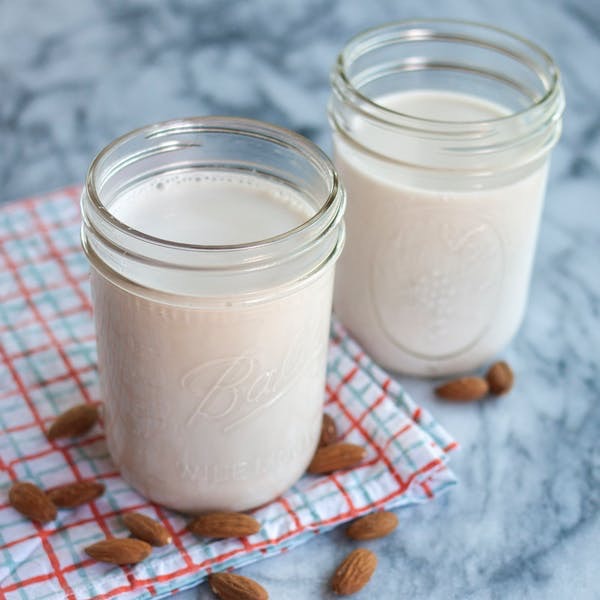
Today’s Added Value: Almond Milk

Almond Milk is so easy, it’s ridiculous. Don’t buy almond milk, and if you do, read the labels. Almonds are often not even a primary ingredient.

Pour two cups raw, whole organic almonds into a bowl and cover them with filtered water. Cover the bowl with cheesecloth and let stand at room temperature overnight. Drain and rinse the almonds and in batches, run them through the blender with equal amounts of water. The less water you use, the richer the milk. Pour the batches into a nut milk bag (available at most organic markets) and squeeze like you’re building your pecs.

Really. Too easy for words.

Almond milk keeps about four days.

Feb 5, 2018

Chicken Stock


Good Soup begins with the stock, which really begins when you cook the chicken, and of course, it all begins before that on how the chicken was raised. So, good chicken stock begins with the chicken.
Find a good one. Organic. Raised on a happy farm. Perhaps the farmer sang it a lullaby before sending onto its maker and thence, my dinner table.

Then you roast the chicken.

Stock

Opening my freezer to see quart containers and iced cubes
of stock feels as good as a closet full of clothes, gas in the
car, a stacked cord of firewood.

Clear Chicken Stock

Makes four quarts
1 chicken, plucked and washed
2 carrots, cut in large chunks
3 celery stalks, cut in large chunks
2 large white onions, quartered
1 head of garlic, halved
1 each: rutabaga, parsnip, turnip, halved
2 bay leaves
1 teaspoon salt
3 quarts water

Brush and clean the vegetables and place in a large
stockpot over medium heat. Add about 4 quarts water.
Gently place whole chicken in the pot. Toss in the bay
leaves and salt and allow it to slowly come to a simmer.
Lower the heat to medium low and gently simmer for 1
hour, partially covered.

Carefully strain the stock through a fine sieve into
another pot to remove the vegetable solids. Use the
stock immediately or to store it, place the pot in a sink
full of ice water and stir to cool down the stock. Use the
chicken meat in a finished soup.

Cover and refrigerate for up to one week or freeze.


Dark Chicken Stock

1 chicken, cut in pieces
2 carrots, cut in large chunks
3 celery stalks, cut in large chunks
2 large white onions, quartered
1 head of garlic, halved
1 each rutabaga, parsnip, turnip, halved
Dried herbs
2 bay leaves
1 teaspoon salt
3 quarts water

Cover two baking trays with parchment. Place chicken
pieces on one, the vegetables on the other. Coat with olive
oil, salt and herbs. Roast in 350! oven for about an hour.
Remove from oven and cool to a handling point. Place
roasted chicken pieces and vegetables in a large stockpot
over medium heat. Add about 4 quarts water. Toss in
the bay leaves and salt and allow it to slowly come to a
simmer. Lower the heat to medium low and gently simmer
for 3 hours, partially covered. Be careful not to boil the
stock. This causes the protein bits to separate and cloud
an otherwise beautiful stock. Remove from heat and cool
slightly before the next step.

Carefully strain the stock through a fine sieve into another
pot to remove the solids. Use the stock immediately or to
store it, place the pot in a sink full of ice water and stir to
cool down the stock. Cover and refrigerate for up to one
week or freeze.

Jan 8, 2018

Warm Wild Rice Salad


My son, Michael's favorite
Warm Wild Rice Salad

3 cups cooked wild and brown rice blend,
cooled slightly (Lundberg preferred)
2 avocados, cut in bite sized pieces
1 cup fresh fennel bulb, diced
2 Tablespoons fennel seeds1 cup celery, dice
½ cup dried blueberries
¼ cup sunflower seeds
¼ cup raisins
¼ cup chopped fresh dill
¼ cup chopped fresh chives
1 cup fresh or frozen corn, sautéed in ghee and cooled
salt & pepper to taste

Combine all ingredients in a bowl and serve with Lemon-Lime Dressing at room temperature.

Lemon-Lime Dressing

1 Tablespoon olive oil
Agave or honey to taste
1 Tablespoon lemon juice
¼- ½ cup lime juice

Combine all ingredients in a jar and shake well.

Jan 1, 2018

Welcome

Welcome to Ginna Gordon 2018
the Diary of a Creative
300-500 Word Articles
Regarding Books, Ideas, Projects, Recipes, Quotes & Pix

My audience:
Boomers, authors, readers, crafters, cooks

My topics:
Books
Writing
GB’s Love Notes
Knitting
Crafts
Food/Recipes
Studios

My 2018 Goals:
Sharing ideas/recipes
Lucky Valley Press

I write about
• scaling down from an 800 square foot space to a basket of knitting and what that feels like after 50 years of large studio spaces wherever I have lived. I share the experience, physically, mentally and spiritually, and find out what other artists do at a certain age when it is no longer appropriate to spin in all directions creating in ten different mediums at once.
• being a writer, about re-writing when I thought the book was finished, about that process, which in the case of Humming, is months and months long: the fallow time of writing, when the characters are taking naps and your mind is filled with the many ways in which you could take the story instead of where you were going.
 • what it feels like to be doing the best work of my lifetime, about working with David, about creating in general, about being a creative, about being created.
• I’ll post recipes, knitting projects, stories, quotes, anecdotes about a client, book covers.
My blog wraps my creativity up in a package and shares it with the world.

Dec 19, 2017

Studio #12 - The Laundry Room +

We moved into our love nest about three weeks before our first marriage ceremony, dubbed the IRS wedding, on December 31, 2003.  You’ll hear about Wedding Number 2, Valentine’s Day, 2004 elsewhere in the blog.


At 7990 I packed most of my studio paraphernalia into the dark and rather gloomy laundry room and shared my creative space with the washer, dryer, a cat box and the water heater.
In this space, and spilling into the kitchen and onto the decks by necessity, I painted one little Jack Russell terrier sculpture for the Carmel Art Festival and the next year four plaster-cast dogs for CAF and five resin cat sculptures for a spin-off fundraiser.

Although I enjoyed painting the little terrier, the clean lines of the elegant Egyptian style dogs in 2005 allowed for exquisite details - layers of paint, tiny lines, many dots, applications of beads and other adornments. The CATZ, sponsored by the Monterey Symphony, the Mozart Society, Chamber Music Monterey Bay and the Carmel Music Society,  were PizziCato, MagnifiCat, Meowzart and Kitty Bouquet.

Tout Uncommon, Pied a Terrier, Haut Diggity Dog and Cinnabar represented four of the local retail shops. All dogs and cats were sold at auction to raise money for charities.


This event inspired me to organize twelve local artists to paint “Musical Chairs” for the Carmel Music Society 12th Night Auction/Dinner Dance. Once again, my studio spilled out of the laundry room, this time, onto the deck, where I spread a drop cloth and decorated two matching straight back chairs.

At 7990 my garden expanded from a few herbs in a pot to an acre of Sugar Pie pumpkins, artichokes, beans, tomatoes, and flowering herbs and this, too, became part of my outdoor studio, with a potting shed that held all the usual tools plus a mannequin names Kate Hepburn and a little corner with old wood, brushes and a few acrylic paints for sign making.


 When the tenant in the guest house moved on to greener pastures, I moved myself in lickety-split and spent the next few years amid myriad projects before the next folly took control of my desires.


Dec 17, 2017

Studio #11 - Above the Market

The studio above Carmel Valley Market: 800 square feet with two big rooms and the only unit in the building with its own bathroom.

Others more transient that I lived in a couple of the units: the red-headed, balloon-blowing clown and his wife lived behind their bike shop on the first floor facing the alley, a down-on-his-luck poet slept in sawdust in the woodworker’s back room. I was next door to an alcoholic hairdresser who sometimes slept in her chair at the salon and whose every utterance and popping cork and musical accompaniment was heard clearly through the paper thin walls. I was above the deli and and the pet groomer and down the hall from the chiropractor. The aromas were a mix of bleach, pastrami, flea soap and the herbal tea blend of the week. I added varnish, glue and ceramic glaze dust to the atmosphere.

This studio saw the biggest production of dinnerware, to use in service and sell at Ginna’s Cafe, just down the block. Under and over my designs, my friend and assistant Christine layered coats and coats of color and glazes to cups and plates and bowls, wrapped each piece in newsprint and delivered them to a local kiln for firing. Not too efficient, but our customers loved the colorful stuff painted with flowers and leaves and hearts.


Erin produced beautiful paper vessels and books.


After Ginna's Cafe closed, the studio above the market was my refuge, a place to rest while figuring out what to do next. The twenty years before had been one long catering job: for gurus real and fake, shamans and showmen, for business partners, leaders and would-be leaders, for parties and weddings and overnights in the mountains, always on the move, running my own business and/or managing a staff and driving my jeeps up and down the California coast.

It was time for me, my artist self and I. My writer, who had been not-so-patiently waiting, emerged.

It was in this studio where I accidentally whiffed Marine Varnish and half killed my thyroid and created a bunch of other chronic issues I won’t focus on (but will warn you about Marine Varnish accidentally up the nose).

It is where I settled down to create my cookbook series, Honey Baby Darlin’ -  where I realized I had something to write: 50 years of stories and recipes. The series started with my three year old alter ego, Little Glory, learning about the love of cooking at her mother’s knee on her grandfather’s farm in Ohio in 1951. I saw the project like a vision of a many-colored sunrise or a multi-layered cake with surprises inside.

I met David during this studio period and this became a familiar scene: Ginna at the big oak desk facing her iMac, tapping out ideas and words and scenes into the documents that would become her next books and David on the little sofa, singing ballads and love songs while playing his guitar.


Dec 16, 2017

Studio #10 - La Mesa

In San Diego, we found a house large enough to handle the entourage, including my son Michael (on the Chopra Center construction team), his five year old daughter, Taylor, two colleagues from Rainbow Ranch who came with me on this cooking adventure, their Dalmatian and two kittens.

My my, what a scene. How did I do it? At least our bedrooms were private and pretty quiet, and the recreation room became my studio, complete with a leather-padded bar, tiny sink and room enough for my workbench (that same piece of 4 x 8 plywood used as a bead table at Rainbow Ranch in the tipi).

I focused on ceramics here, bought time in a local ceramic studio kiln, and began producing dinner plates, chargers and service pieces for my kitchen and catering business. Thus began a long relationship with ceramics, as will become clear in the next blog posts.

The process of painting ceramics: the coats and coats of glaze, drying each layer completely before adding the next, multiple firings for different results, this fit into my hobby motto, “No Hurry.” After-hours hobbies shouldn’t have tight deadlines.  

I covered the workbench with newsprint and set up my first production line of mugs, platters, bowls and plates. For the next twenty years, in every studio and even in the kitchen during times when I had no studio or kiln, I painted plates. If needed, I shlepped my carefully wrapped and protected un-fired dinnerware collection to available kilns and finally, almost too late (i.e., close to the time my interest in ceramics peaked) I purchased my own kilns.

I can set up each of my three granddaughters for life with plates and bowls just from my kitchen cupboards. I could open a store.

The La Mesa house rec room looked out over a canyon of Douglas fir and oak trees. I opened two sets of french doors for the soft San Diego breeze. I cleaned up all my ceramic mess one night, set the plywood workbench on milk cartons on the floor, piled up pillows around it and invited family, friends and staff over for a Moroccan feast. We draped gauzy curtains around and lanterns and candles glowed on the table. We passed around huge Ginna-made platters and bowls of spicy meat dishes, couscous and rice and sweets. We drank wine and copious cups of tea out of Ginna-made cups and told stories in the dark.


Dec 14, 2017

Seabreeze Organic Farm


Stephenie and the crew of Seabreeze Farm provided the produce during my three years as Executive Chef of the Chopra Center for Well Being in La Jolla.

Seabreeze Organic Farm in Solano Beach, the scene of many happy events, parties and opportunities to dig in the dirt with pros. My granddaughter, Taylor and I spent many happy hours at Seabreeze, feeding the doves, watching the chics grow, drawing circles in the dirt.

It was from Stephenie I first learned about crumbling bacon on a bowl of oatmeal.

I won the prize three years in a row at the Seabreeze Farm Mothers' Day Cornbread Cook Off.*

And, her partner of the era,  Chef Gordon Smith, was instrumental in helping me set up the Chopra Center kitchen. He and his twin brother, Seabreeze farmer Greg, provided lots of expertise and many laughs during that intense time. (More photos in the Kitchen Series).

Prize Winning Blue Cornbread
350˚

1 pound loaf pan         baking spray

1.5 cups           organic white flour
1/2 cup            blue cornmeal
1/4 cup            brown sugar
2 teaspoons    baking powder
1 teaspoon      baking soda
1 teaspoon      salt
2                       eggs
1 cup               buttermilk
1/4 cup            melted butter

Options:         1 large green onion, chopped
                        1/2 bunch cilantro, chopped

Preheat oven to 350˚. Coat pan with vegetable spray.

Mix flour, cornmeal, sugar, baking powder, baking soda and salt in large bowl. In another bowl, beat together eggs, buttermilk and butter. Mix gently with dry ingredients, folding in ingredients carefully. Place in prepared pan. Bake for about 45 minutes, or until inserted skewer or knife comes out clean. Turn out onto cooling rack and cool slightly before cutting. Delicious with Ginna’s Turkey Chili.


Dec 13, 2017

Studio #9 - The Tipi at Rainbow Ranch

Ah, the tipi: the most romantic of my living spaces, the  simplest of studios. A life-long attraction to Native American lore, life style and spirituality inspired my 400 “square foot” tipi at Rainbow Ranch in Calistoga. That and the 5 x 8 room (next to the kitchen and across from the pantry) they called the “Chef’s Quarters.” Nothing inspires creativity more than necessity.


Nomadic Tipi Makers of Bend, Oregon, those same folks who created the leather tipis for Dances with Wolves, made a canvas one to my specs and sent it by UPS in a cardboard box with instructions on how to raise a tipi. The 23-foot poles came by freight in another, longer truck.


I had a pad built on the slope of a gentle hill near the kitchen door and filled the pad with gravel from the nearby quarry, laying conduit and electrical wiring underneath, which, ultimately, came up beside my bed and by my “bead table.”


With a friend I constructed a giant, egg (tipi floor-space) shaped template out of newspapers and with a utility knife cut a piece of beige remnant carpet to exactly fit inside the tipi on top of a canvas pad on top of the even gravel. The lining attached to the poles was supposed to protect me from rain dripping in and the opening at the top rarely drizzled wetness or smoke into the space.


I faced the opening east to greet the morning sun. I placed my hundred and fifty year old wood stove in the center and learned how to vent the tipi by directing the smoke poles away from the direction of the wind.

True to my Native American period, I made mostly dangly things out of seed beads: earrings, medicine bags and loom-work bracelets and belt buckles. I sat on the floor on my zafu pillow and created beadwork on a table made from a 4 x 8 plywood plank perched on four milk crates.

As always during my cooking career, there was a
studio on the side for after hours, no matter when those hours were, or how few hours were available to me. At Rainbow, my day began at 5 with building a fire and setting bread dough to rise and ended about 8:30 pm with warm milk and cookies for the guests, so productivity was not the operative goal for this studio. Even so, just sitting down cross-legged in front of the tiny fire and doing a few weavings or sorting beads or graphing a project helped settle my mind and body for the night.


Several years later while living in San Diego and cheffing at the Chopra Center for Well Being in La Jolla, my Aunt Bonne came for a visit. I showed her photos of my tipi. She said, “Well, that makes sense.”

“Oh? Why?” I asked.

“Because of that Cherokee in your father’s lineage.”

“What? What Cherokee?” News to me.


The conversation went a long way to explain my interest, not to mention Dark Sage, the imaginary Indian Medicine Man friend of my childhood.